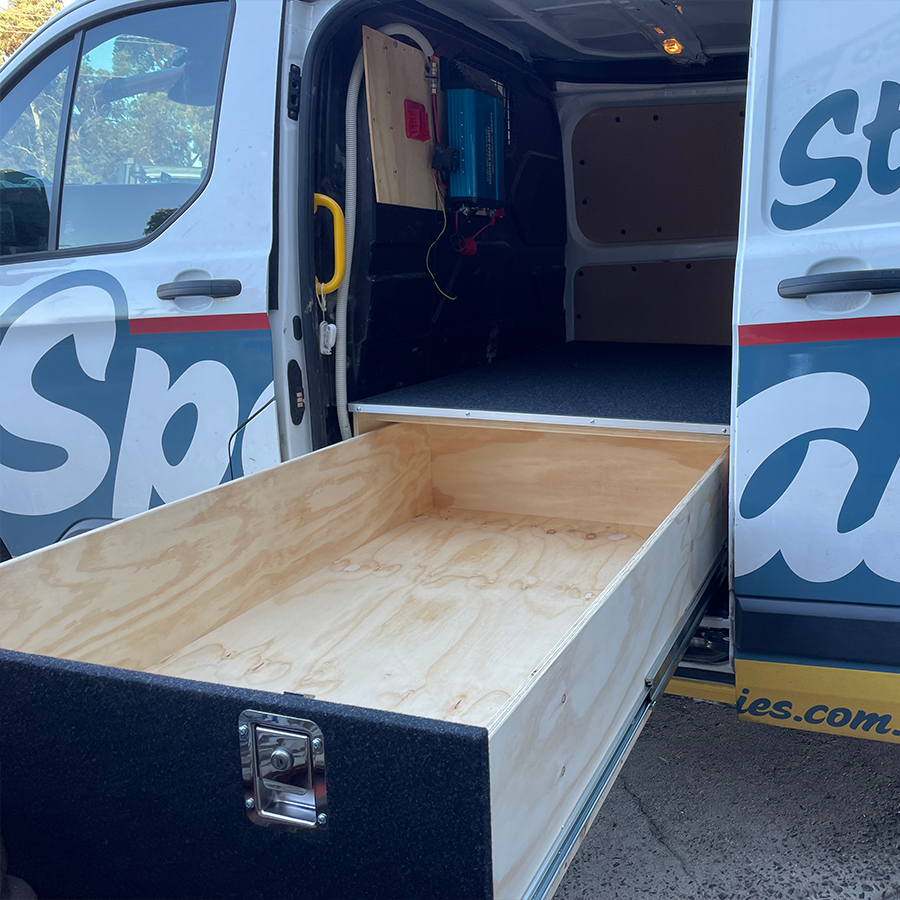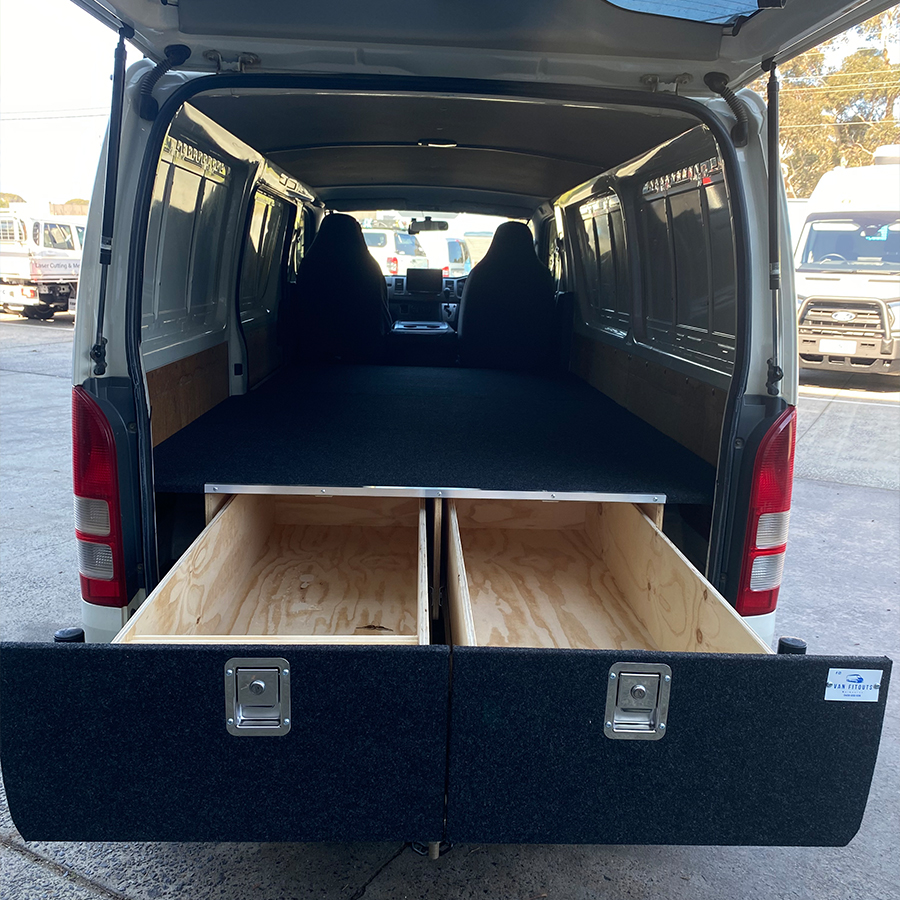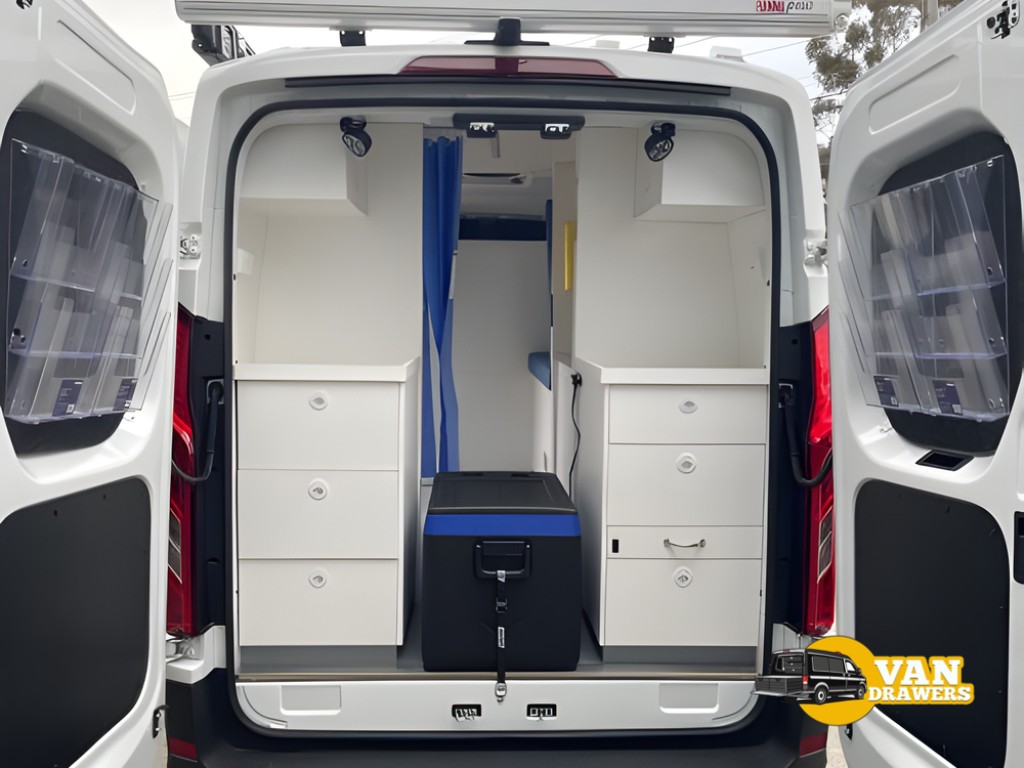
A drawer-based van setup pays for itself by cutting tool-hunting, reducing re-trips, and protecting gear, so you bill more hours with fewer headaches. In plain terms: less time rummaging, fewer “I left it at the workshop” moments, and a calmer workday because everything has a home.
If you’re weighing up van storage drawers as a serious upgrade (not just a tidy-up), this guide breaks ROI down into the things you actually feel on site: minutes saved, mistakes avoided, and the stress drop when your van works like a mobile workshop.
What Does "ROI" Look Like Inside A Work Van?
- How long does it take you to start work at each job, and
- How often do you lose time fixing avoidable problems (missing parts, damaged tools, messy loading, unsafe stacks)?
- Time ROI: fewer minutes per job spent searching, unpacking, and repacking.
- Money ROI: fewer lost/damaged items and fewer unpaid "admin minutes".
- Stress ROI: less decision fatigue ("where did I put it?") and fewer last-minute surprises.
Where Does The Time Actually Go Each Week?
Most tradies don’t lose an hour in one hit; they lose 3–8 minutes repeatedly.
Common time leaks:
- Tool-hunting: opening cases, shifting tubs, digging under parts.
- Double handling: unloading something just to reach the item behind it.
- Re-loading: packing poorly because you're rushing, then paying later.
- Re-trips: driving back for the one fitting, battery, bit, or adhesive you know you own.
- You stop storing critical items in a "gravity stack".
- You reduce the number of touches needed to reach daily-use gear.
How Do Drawers Change The Workflow (Not Just The Look)?
The real shift is access.
A functional van storage drawer setup typically:
- Creates zones
- Daily tools (fast access)
- Consumables (sorted + replenished weekly)
- PPE/safety (always reachable)
- Heavy kit (stable + low)
- Reduces "search paths."
- You open one drawer and get the item, rather than moving five things to reach it.
- Improves packing discipline automatically
- When every item has a slot, you don’t have to “decide” where to dump it at 6 pm.
- Instead of one mixed tub of connectors + tape + fixings:
- Drawer compartments by category (connectors / glands / clips / fasteners)
- A quick “top-up list” at the front of the drawer
- Outcome:
- Less rummaging
- Fewer part shortages mid-job
- Faster pack-down at the end of the day
What's The Simplest Way To Calculate Payback?
You don’t need perfect numbers, you need honest ones.
Use this quick method:
1) Estimate minutes saved per job
Pick a conservative number:
- 3 minutes saved/job (very conservative)
- 5 minutes saved/job (common)
- 8 minutes saved/job (high clutter → high gain)
2) Multiply by jobs per week
Example:
- 5 minutes saved/job
- 5 jobs/day
- 5 days/week
= 125 minutes/week ≈ 2.1 hours/week
3) Convert time to money
Use your real billable value (or blended value):
- If your time is worth £60/hour:
2.1 hours/week × £60 = £126/week
4) Add "loss prevention" (optional but real)
Add conservative monthly savings for:
- replacing the damaged gear
- re-buying lost bits
- consumables wasted due to poor storage
Even £25–£75/month is meaningful over a year.
5) Compare to investment
If a drawer-based fitout costs X, your payback is:
- Payback weeks = X / weekly value
How Does An Organisation Reduce Mistakes, Damage, And Lost Gear?
Because clutter causes micro-errors:
- You misplace a tool and buy another “just in case.”
- Parts spill and get contaminated/damaged
- Fragile tools get crushed under heavier items
- You forget what stock you actually have
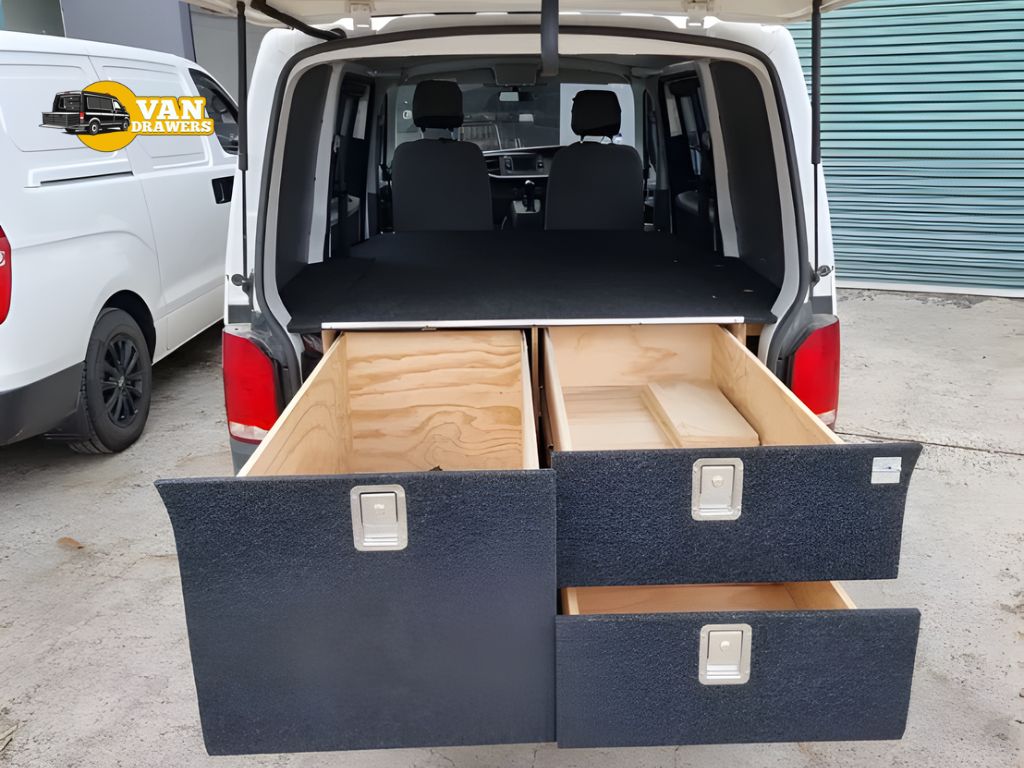
Drawers help by:
- separating tools from consumables
- preventing movement (especially when paired with dividers/mats in many systems)
- making inventory visible (you see you’re low before you leave)
Van Drawers’ content leans into practical storage benefits like maximising space and reducing chaos by fitting drawers to the vehicle’s layout.
What About Safety And Compliance—Does Storage Matter?
Yes, because unsecured loads become projectiles in a hard stop.
What strong setups usually prioritise:
- Secure storage (drawers that stay shut, gear not loose)
- Weight management (heavy items low; no unstable stacks)
- Clear access so you’re not climbing in and twisting awkwardly
How do you choose a layout that fits your trade?
Start with your “daily reach” items and design backwards.
Answer these in order:
- What do I touch on in every job?
- Put these in the easiest-access drawer positions.
- What do I touch weekly?
- Mid-access storage, grouped logically.
- What is heavy or awkward?
- Lowest, most stable placement.
- What gets stolen most easily?
- Lockable/hidden storage priority.
- Do I work from the side door, the rear doors, or both?
- Your access pattern determines drawer direction and zoning.
- Fast access beats maximum capacity for ROI.
- A “packed to the roof” van often slows you down more than it helps.
When is a full fitout smarter than a partial upgrade?
Many tradies follow the same upgrade path seen in tradie ute fitouts, starting with drawer systems for tools and consumables before expanding into a complete mobile workspace.
- You mostly need organisation for small parts and hand tools
- You're not carrying long materials daily
- Your van layout stays consistent week to week
A fuller solution makes sense when:
- You lose time to loading/unloading constantly
- You carry a mix of tools + materials + consumables
- You want your vehicle to function as a mobile workshop
What Should You Do Next If You Want To Stop Wasting Minutes Daily?
The 10-minute audit
- Time yourself:
- How long to find your 5 most-used items?
- Count “touches”:
- How many items do you move to reach them?
- List your re-trips:
- How many times last month did you go back for parts/tools you already own?
- Note the damage:
- Anything cracked, spilled, bent, or crushed recently?
- 5+ minutes lost per job, or
- 2+ re-trips per month, or
- frequent “duplicate buying."
Frequently Asked Questions
How many van storage drawers do most tradies actually need?
It depends on your daily tools and consumables. Most tradies start with drawers for hand tools and small parts, then expand as their workflow becomes clearer.
Are van storage drawers worth it for smaller vans or utes?
Yes. Even compact vans benefit from drawers because they reduce stacking, wasted space, and repeated handling. ROI often comes faster in smaller vehicles.
Can van storage drawers be added without a full fitout?
Absolutely. Many tradies begin with drawers as a standalone upgrade before moving to a complete system later.
Do drawer systems work with other van upgrades?
Conclusion — Van Storage ROI Is About Minutes, Not Magic
Van storage drawers don’t save you money through a single big win. They pay off through small gains that repeat every day. Less searching. Fewer re-trips. Fewer damaged tools. Lower stress at the start and end of each job. When your van supports how you actually work, productivity improves naturally. Over weeks and months, those saved minutes turn into real income, fewer mistakes, and a calmer workday.