
Everything You Need to Know About Transit Van Shelving
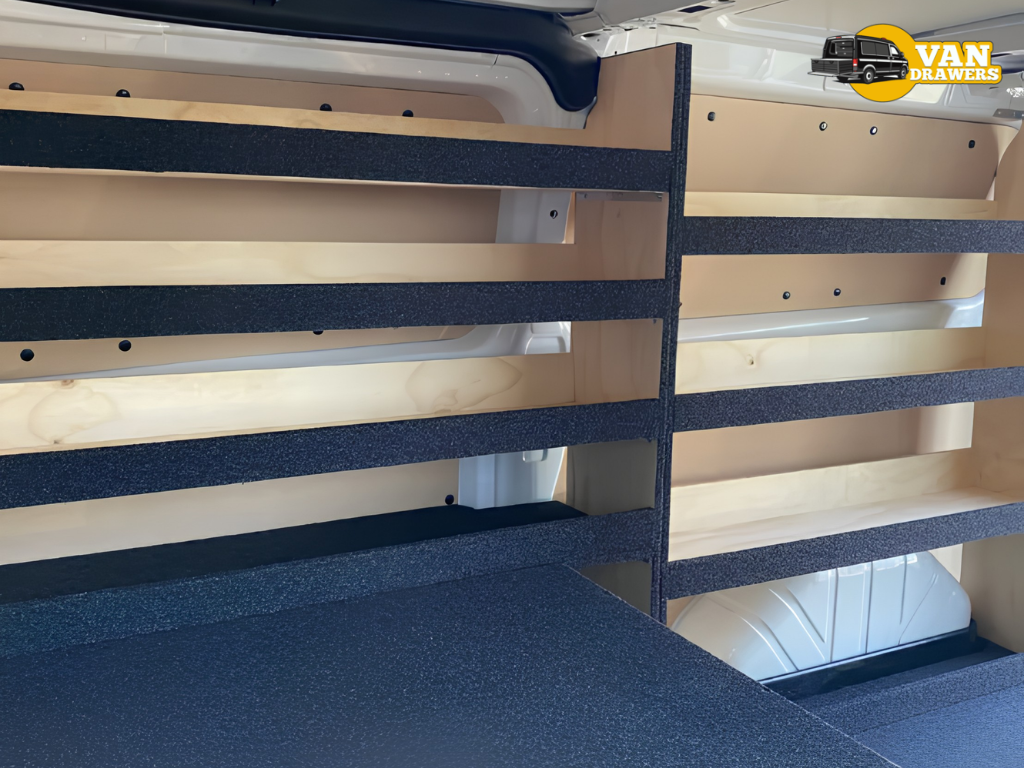
If you drive a Ford Transit for work, you already know the struggle. Tools sliding around every time you brake, gear buried under gear, and five minutes wasted at every job just hunting for the one part you need. That’s not a “you” problem; it’s a shelving problem. Transit van shelving is one of the simplest upgrades a tradie can make and one of the most overlooked. Done right, it turns a cluttered cargo area into a proper mobile workshop, where everything has a place, and you can grab it without climbing over half your stock. This guide covers the types of shelving available, what to look for, and how to choose a setup that actually holds up to daily trade work in Melbourne. Why Transit Van Shelving Matters More Than You Think A lot of tradespeople treat their van as an afterthought. It gets the job done, so why stress over shelving? But think about how many hours a week you actually spend inside that van, loading, unloading, searching, restocking. Multiply that by a year, and it adds up to serious time, and time is money in this game. Good shelving isn’t just about looking tidy. It protects your tools from damage, keeps heavier items secured so they’re not flying around the cargo area on a sharp turn, and makes it far easier to do a quick stock check before you head to a job. For any tradesperson running a transit day in and day out, shelving is less of a luxury and more of a basic business tool. Types Of Transit Van Shelving To Consider Not all shelving is built the same, and the right choice really depends on your trade and how you work. Steel shelving is the go-to for tradies who carry heavy tools or equipment daily. It’s tough, handles knocks well, and won’t sag under the weight of power tools or hardware stock. The trade-off is weight; steel adds bulk to your van, which can matter if you’re already close to your payload limit. Aluminium shelving is the lighter alternative. It still holds up to regular use but won’t eat into your payload the way steel can. Electricians and plumbers who carry lighter, smaller items often prefer aluminium for this reason. Modular shelving systems are worth a serious look if your trade changes from job to job. These let you reconfigure shelf height and layout as your load changes, rather than being locked into one fixed setup. If one week you’re carrying pipe and the next you’re stocked with smaller fittings, modular shelving adapts without a full refit.Shelving with drawer combinations gives you the best of both. Open shelving for bulkier items and bins, drawers for smaller parts, fasteners, and anything you don’t want rattling around loose. Most tradies who’ve had a proper fitout done will tell you this combination setup is what actually gets used day to day. What To Look For In A Quality Shelving System Before you commit to a shelving setup, there are a few things worth checking off. Load rating. Ask what weight the shelving is actually rated for, not just what it looks like it can handle. Overloaded shelving is a safety risk, both for you and for anyone sharing the road. Secure mounting. Shelving needs to be properly fixed to the van’s structure, not just sitting in place. Loose shelving becomes a hazard the moment you brake hard. Corrosion resistance. Melbourne’s weather swings between dry heat and heavy rain, so shelving that can handle moisture without rusting out will last you a lot longer. Access and layout. A shelving system is only as good as how easily you can reach what’s on it. Think about how you actually move through your van during a job, not just how the shelves look when empty. Compliance. Any fitout should meet Australian vehicle safety standards, particularly around load restraint. This isn’t something to guess at. Choosing The Right Setup For Your Trade Every trade loads a van differently, so it’s worth thinking about your specific needs rather than copying what another tradie has. Electricians tend to benefit from a mix of shelving and drawer units, small compartments for fittings, open shelves for cable and larger gear. Plumbers usually need deeper shelving that can handle pipes and fixtures without everything shifting around. Carpenters and builders often want a combination of vertical racking for materials alongside shelving for hand tools and hardware. If you’re unsure what will suit your setup best, talk to a fitout specialist who works with vans like yours regularly. A proper conversation about how you use your vehicle day to day will get you a far better result than guessing. Melbourne Conditions And Why They Matter Running a trade van in Melbourne means dealing with everything from stop-start city traffic to long stretches on outer suburban roads. Shelving that isn’t properly secured or built for the job will loosen, rattle, and wear out faster under these conditions. Investing in quality van shelving Melbourne tradies actually rely on means less time dealing with repairs and more time on the tools.It’s also worth considering the bigger picture. Shelving is usually just one part of a broader setup. Many tradies pair it with drawers, cargo barriers, and racking as part of a complete van fitouts Melbourne businesses trust to keep their vehicles running efficiently. Looking for the right Transit van shelving? Explore our custom shelving solutions to maximise storage and improve your daily workflow. Contact Us Maintaining Your Shelving Long-Term Once it’s installed, a bit of upkeep goes a long way. Check mounting points periodically to make sure nothing has worked loose from vibration. Keep an eye out for rust or corrosion, especially if you’re in and out of wet conditions often. And avoid overloading shelves beyond their rated capacity, even when you’re in a rush to pack up and get to the next job. A well-maintained shelving system, whether it’s a personal van or part of a wider commercial van
