
Ladder Rack for Van Safety Tips: How to Secure Ladders Properly on the Road
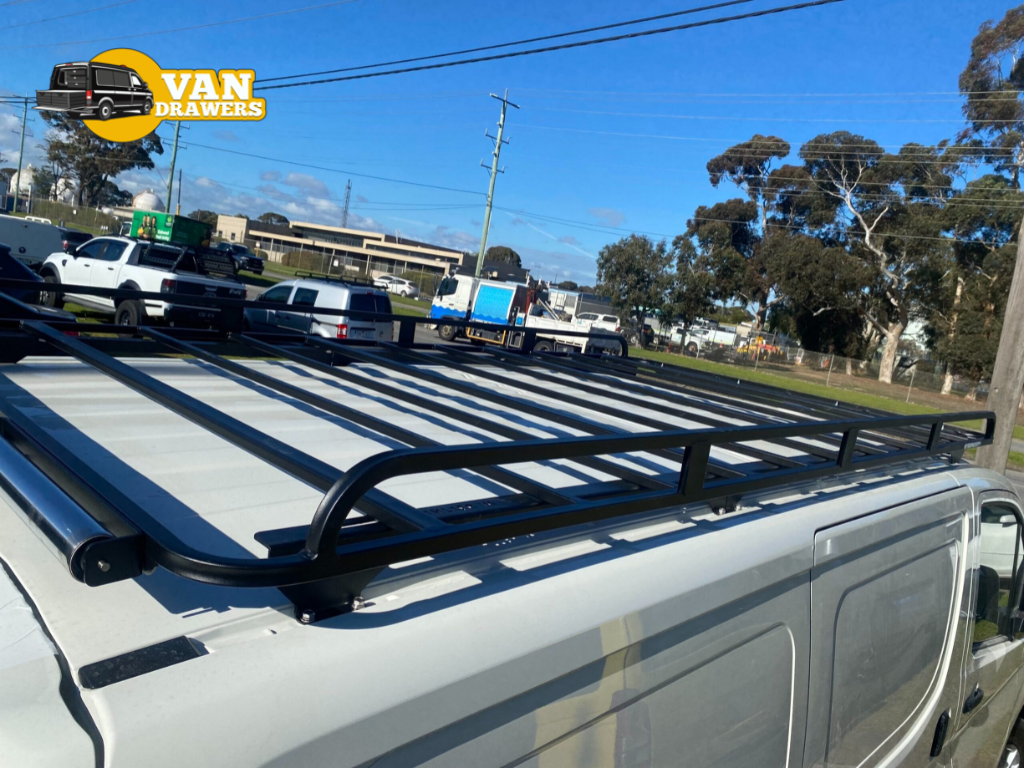
For electricians, HVAC technicians, plumbers, roofing contractors, and fleet managers in Melbourne, carrying ladders safely is a daily requirement. However, improperly secured ladders can create serious risks on the road, including vehicle damage, traffic hazards, and costly fines. Investing in a quality ladder rack for van is only the first step. Knowing how to secure ladders correctly is equally important for protecting your equipment, your team, and other road users. Whether you’re driving between job sites across Melbourne or managing a fleet of commercial vehicles, following proven ladder safety practices can improve efficiency and reduce unnecessary risks. In this guide, we’ll cover essential tips for securing ladders properly on a van ladder rack and explain how the right storage setup can help keep your operations safe and organised. Why Proper Ladder Security Matters Ladders are bulky, heavy, and exposed to wind forces while driving. Even a minor mistake when securing a ladder can lead to movement, shifting, or complete detachment during transit. Proper ladder security helps: Reduce the risk of road accidents Protect expensive ladders from damage Prevent vehicle roof damage Improve workplace safety compliance Enhance fleet efficiency and professionalism While a Ute drawer Melbourne helps keep tools organised and secure, a quality van ladder rack is essential for transporting ladders safely. Choose The Right Ladder Rack For Your Van Not all ladder racks are designed for the same workload. Selecting a system that matches your vehicle type and ladder size is essential.When evaluating ladder racks, consider: Weight Capacity Always check the rack’s load rating and ensure it exceeds the combined weight of your ladders and accessories. Ladder Length Compatibility The rack should support the full ladder length without excessive overhang. Unsupported sections can create instability during transport. Material Strength Heavy-duty aluminium and steel ladder racks offer excellent durability for trade professionals who use their vehicles daily. Integration with Other Storage Solutions Many tradespeople combine ladder racks with organised storage systems. Pairing a ladder rack with professional vehicle storage can maximise efficiency while keeping tools secure. Businesses looking for complete vehicle organisation solutions often integrate ladder racks with van rack system configurations to improve accessibility and workspace management. Inspect Your Ladder Rack Before Every Trip Even the best rack requires regular inspection. Before leaving a job site, check: Mounting bolts and brackets Tie-down points Locks and clamps Signs of corrosion or wear Ladder condition and integrity Small issues can become major safety hazards at highway speeds. A quick inspection takes only a few minutes and can prevent expensive consequences. Use Quality Tie-Down Straps One of the most common mistakes is relying on worn-out straps or improvised methods of securing. Choose heavy-duty straps designed for commercial use.When securing ladders: Position straps at multiple points Tighten evenly across the ladder Avoid overtightening, which may damage ladder rails Replace frayed or damaged straps immediately Using two or more securing points to reduce movement during acceleration, braking, and cornering. Position The Ladder Correctly On The Rack Proper placement is just as important as proper restraint. Follow these best practices: Centre the Load Place the ladder evenly across the rack to distribute weight consistently. Minimise Overhang Excessive front or rear overhang can affect vehicle handling and create hazards for other drivers. Keep Weight Balanced If carrying multiple ladders, distribute them evenly across the rack system.Balanced loads reduce stress on the rack and improve vehicle stability. Secure Ladder Ends To Prevent Movement Even when tightly strapped down, ladders can shift slightly due to road vibrations. Additional securing points at the front and rear help eliminate unwanted movement. Consider: Ladder clamps End restraints Locking mechanisms Secondary safety straps These features provide an extra layer of protection, especially for vehicles travelling long distances throughout Melbourne and regional Victoria. Be Aware Of Vehicle Height Clearance Adding ladders to a roof-mounted rack increases the vehicle’s overall height.Many accidents occur when drivers forget about overhead obstacles, such as: Car parks Service station roofs Loading docks Tree branches Low-clearance structures Fleet managers should ensure drivers know the loaded vehicle height and that reminders are displayed inside the cabin when necessary. Avoid Overloading The Rack Every ladder rack has a maximum load limit.Exceeding this limit can: Damage mounting points Increase rollover risk Reduce vehicle handling performance Cause rack failure Always refer to the manufacturer’s specifications and the vehicle’s roof load ratings before transporting equipment.Remember that additional roof-mounted accessories also contribute to the total load. Consider Weather And Road Conditions Melbourne’s weather can change quickly. Strong winds, rain, and uneven roads increase stress on roof-mounted loads.Before travelling: Recheck the strap tension Confirm ladders remain secure Adjust driving speed when necessary Inspect equipment after long journeys High crosswinds can place unexpected pressure on ladders, particularly extension ladders and larger roofing equipment. Combine Ladder Storage With Organised Vehicle Fit-Outs When ladders are stored on the roof, interior storage becomes easier to manage. Dedicated storage solutions help reduce clutter and improve productivity throughout the day.Many trade professionals enhance vehicle efficiency by combining ladder racks with van roof racks Melbourne and internal storage systems. Likewise, organised tool storage using ute drawers Melbourne products helps keep equipment protected and easy to access between jobs.An integrated setup allows tradespeople to spend less time searching for tools and more time completing jobs efficiently. Train Drivers On Ladder Safety Procedures For fleet operators, consistency is critical. Every driver should understand: Proper loading procedures Correct strap usage Inspection requirements Weight limits Emergency response protocols Creating a standard operating procedure for ladder transportation helps reduce risk across the entire fleet. Regular refresher training can further improve compliance and workplace safety outcomes. Common Ladder Transportation Mistakes To Avoid Avoid these frequent errors: Using damaged straps Failing to inspect mounting hardware Overloading the rack Ignoring ladder movement during transit Carrying ladders without secondary restraints Forgetting vehicle height restrictions Eliminating these mistakes improves road safety and extends the lifespan of both ladders and rack systems. Frequently Asked Questions Why do I need a ladder rack for van use? A ladder rack for van setups helps transport