
Van Shelving Installation Guide: How to Plan the Perfect Setup for Your Work Van
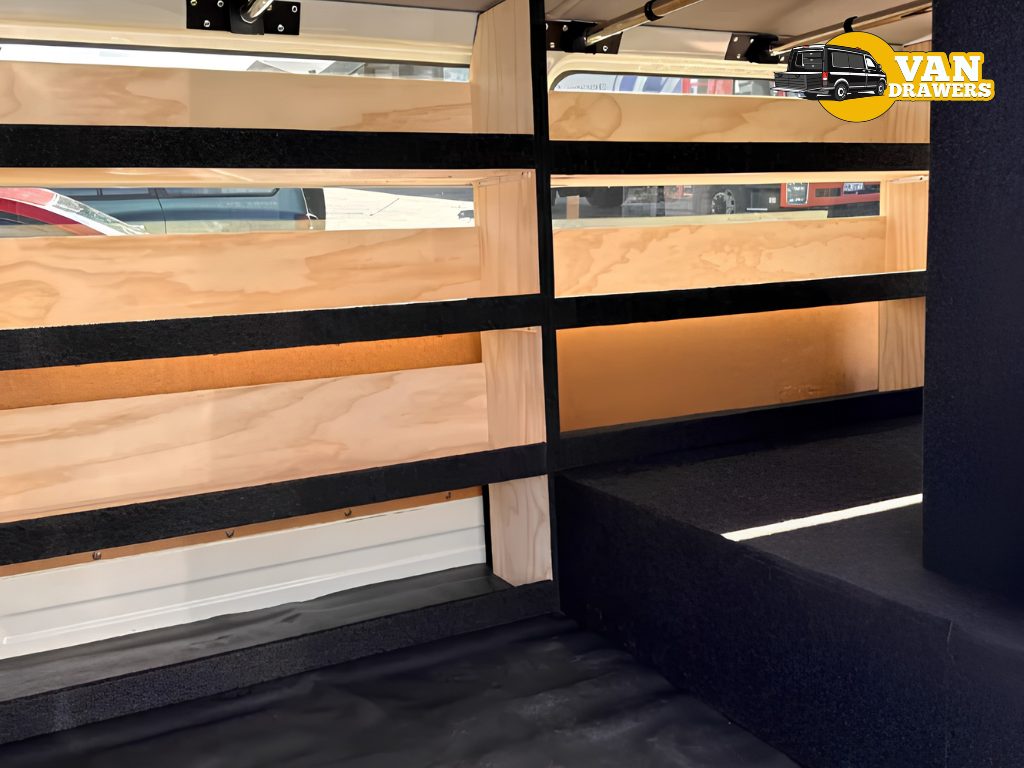
A well-organised work van can improve productivity, safety, and efficiency on the job. Whether you are a tradesperson managing tools daily, a fleet manager responsible for multiple vehicles, or a business owner looking to maximise storage space, proper van-shelving installation is essential. The right shelving setup helps reduce clutter, prevents damage to equipment, and ensures everything is easy to access when needed. However, installing van shelving without a clear plan can lead to wasted space, poor weight distribution, and an inefficient workflow. Before fitting shelves, it is important to consider how you use your van, what equipment you carry, and how your storage system can support daily operations. This guide explains how to plan the perfect van-shelving installation for your work van and create a setup that works for your business in Melbourne. Why Planning Matters Before Van-Shelving Installation Many vehicle owners focus on purchasing shelving first and planning later. This often results in storage systems that do not suit their workflow. A well-planned shelving layout helps you: Maximise available storage space Improve organisation and accessibility Reduce time spent searching for tools Enhance workplace safety Protect valuable equipment during transport Increase overall productivity Taking the time to assess your requirements before installation ensures your shelving system supports your daily tasks instead of creating obstacles. Step 1: Evaluate Your Daily Work RequirementsBefore choosing shelves, identify what you carry in your van every day. Consider the following: Power tools and hand tools Parts and fittings Safety equipment Consumables and supplies Ladders and long materials Electrical or plumbing components Create a list of frequently used items and group them by size, weight, and usage frequency. Items used regularly should be positioned for quick access, while less frequently used equipment can be stored in higher or rear shelving sections. This simple assessment forms the foundation of an effective van-shelving installation plan. Step 2: Measure Your Van Interior Accurate measurements are critical when planning a shelving layout. Measure: Van length Van width Internal height Wheel arch positions Door openings Existing storage features Even small measurement errors can affect installation and reduce available storage space. If you are considering professional van shelving Melbourne, precise measurements ensure the shelving system integrates perfectly with your vehicle. Step 3: Design Your Workflow Around Accessibility The best shelving setup supports the way you work. Ask yourself: Which tools do you access most often? Do you work alone or with a team? How many times do you enter the van daily? Which equipment must be reached quickly? For example, an electrician may require quick access to testing equipment and cable storage, while a plumber may prioritise pipe fittings and larger tool storage. Organising shelving around daily workflow reduces unnecessary movement and improves efficiency throughout the day. Step 4: Prioritise Weight Distribution Weight distribution plays a major role in vehicle safety and handling. Poorly distributed loads can: Affect brake performance Reduce vehicle stability Increase tyre wear Place additional stress on suspension components When planning your van-shelving installation: Position heavier items low in the vehicle Spread the weight evenly across both sides Avoid overloading one shelving section Secure all equipment properly Balanced storage improves vehicle performance and creates a safer working environment. Step 5: Choose the Right Shelving Configuration Not all shelving systems are designed for the same purpose. The ideal configuration depends on your industry, equipment, and storage requirements. Common shelving options include: Open Shelving Open shelves provide quick visibility and easy access to frequently used tools and materials. Benefits include: Fast retrieval Improved organisation Flexible storage options Shelving with Compartments Compartmentalised shelving helps separate small parts and consumables.This is particularly useful for: Electricians Technicians Maintenance professionals Modular Storage Systems Modular designs allow storage configurations to evolve as business needs change. Many businesses prefer flexible van storage systems in Melbourne that can be adapted over time without replacing the entire setup. Step 6: Integrate Additional Storage Features Shelving alone may not provide enough organisation for all equipment. Additional storage solutions can improve efficiency. Popular options include: Tool holders Storage bins Ladder racks Lockable compartments Cargo restraints Drawer systems For businesses carrying large numbers of tools and parts, integrating van shelving with drawers creates a more organised and accessible storage environment Drawers help separate equipment while keeping valuable tools secure during transport. Step 7: Consider Future Business Growth Many van owners only plan for their current requirements. However, your storage needs may increase as your business grows. When designing your shelving layout: Leave room for additional equipment Allow for future tool upgrades Choose scalable storage solutions Consider changing service requirements A flexible system reduces the need for costly modifications later. Step 8: Focus on Safety and Compliance Safety should always be part of the planning process. An improperly installed shelving system can become a hazard during sudden stops or collisions. To improve safety: Secure shelving directly to approved mounting points Use quality fastening systems Install load restraints where necessary Regularly inspect storage components Professional installation helps ensure shelving remains secure under everyday working conditions. Common Mistakes To Avoid During Van-Shelving Installation Avoiding these mistakes can save time and money: Overloading Shelves Every shelving system has a weight capacity. Exceeding limits can damage both the shelving and the vehicle. Ignoring Workflow Efficiency A poorly planned layout may force you to move equipment repeatedly throughout the day. Choosing Storage Based Only on Cost Cheaper systems often lack durability and flexibility. Not Planning for Expansion Business requirements change over time. Selecting adaptable storage solutions helps avoid future replacement costs. Poor Tool Organisation Even high-quality shelving becomes ineffective when tools are stored randomly. A structured organisation system improves productivity and reduces downtime. Frequently Asked Questions What should I plan before a van-shelving installation? Consider your tools, equipment, storage needs, and daily workflow to create an efficient setup. Why is weight distribution important? Proper weight distribution improves vehicle safety, handling, and stability on the road. Can I combine shelving and drawers? Yes, van shelving with drawers helps organise tools and provides easier access to equipment. Are modular